

The Transforming Autism Care Consortium (TACC) is pleased to welcome two new members to its Inclusive Governance Workgroup.
Together with the current members, they will contribute to ongoing work that is helping to shape the future of governance at TACC.
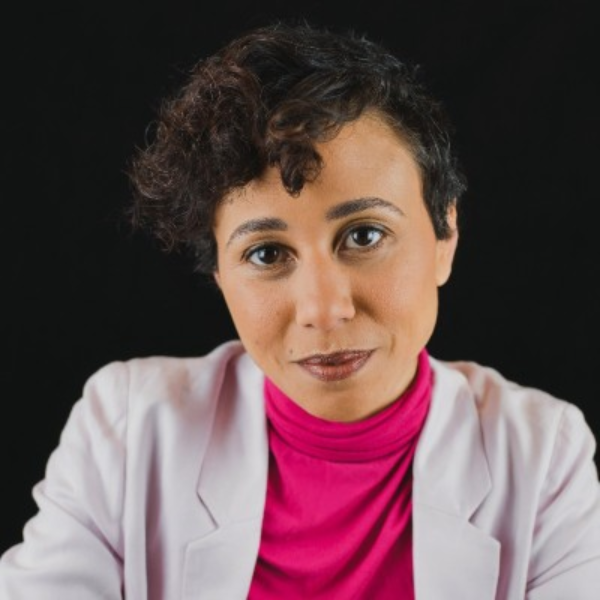
Meet the new members:

Strengthening inclusive governance
For many years, TACC has worked alongside autistic people, individuals with other neurodevelopmental conditions, and their families across research, training, knowledge mobilization, and strategic planning. As the network continues to grow, it is also examining how these perspectives can meaningfully contribute to its leadership and governance.
Launched in 2026, the Inclusive Governance Workgroup was created to guide that process.
Rather than applying a one-size-fits-all approach, the Workgroup is exploring how TACC can strengthen governance in ways that reflect the diversity of the autism and neurodevelopmental community while supporting transparent, equitable, and meaningful participation in decision-making.
Its work examines how to move beyond token representation, better include underrepresented communities and intersecting identities, and recognize that no single person can represent the experiences of an entire community.
Building the foundation
The Workgroup has laid the groundwork for this initiative by identifying the key questions that will guide TACC’s approach to inclusive governance and designing a consultation process to inform its recommendations.
The next phase will bring together perspectives from across the research and community ecosystem through:
- interviews with organizations that have experience advancing inclusive governance
- an inter-network roundtable to exchange governance approaches, experiences, and lessons learned
- consultation across TACC’s researcher, trainee, and partner members
- the development of recommendations to help inform the future evolution of TACC’s governance.
Looking ahead
As the Workgroup welcomes its new members, it enters an important new phase of its work.
Together, members will help advance a collaborative process that draws on research, community expertise, and lived and living experience to strengthen governance across the network.