
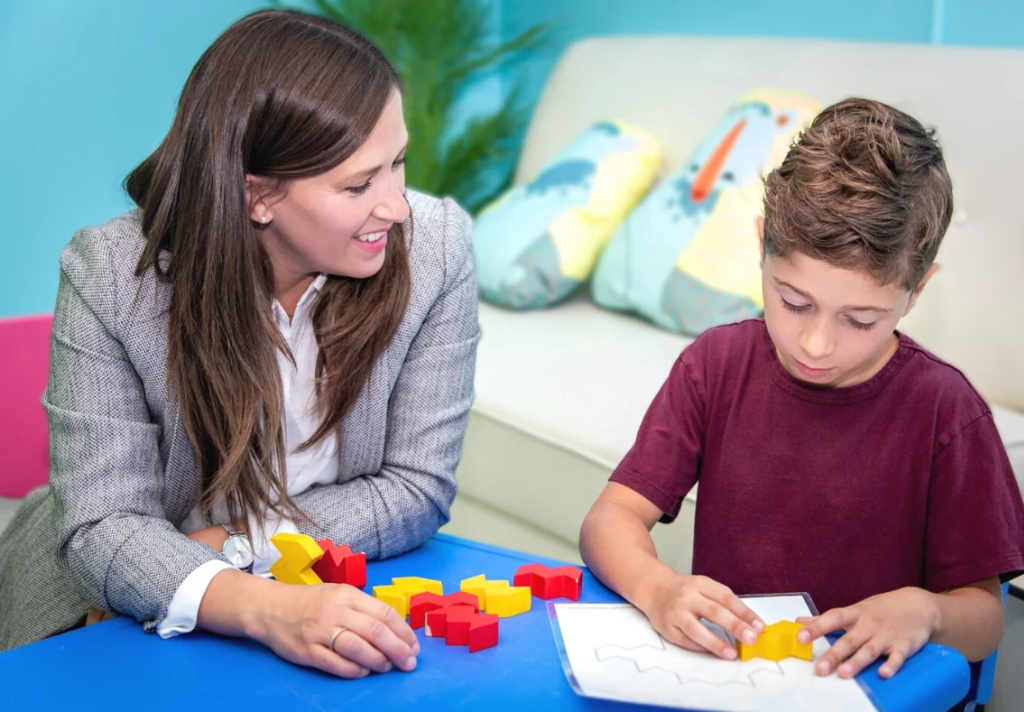
When Québec 1,000 Families, known as Q1K, launched in 2019, it brought together families, clinicians, researchers, and institutions across Quebec to better understand autism and related neurodevelopmental conditions, and to help move research closer to care.
Supported by a major gift from the Fondation Marcelle et Jean Coutu, Q1K became a flagship initiative of the Transforming Autism Care Consortium (TACC), a research network recognized by the Fonds de recherche du Québec. It set out to explore an important question: What becomes possible when research is developed with families, connected to clinical care and shared through open science?
Over the past years, Q1K has built research resources that bring together information about development, behaviour, genetics, brain activity, brain imaging, and lived and living experience. This work has involved hospitals and research centres, clinicians and researchers, autistic people, people with other neurodevelopmental conditions and their families.
Q1K was designed to create shared resources that researchers could use beyond a single study or institution, helping them explore new questions and generate knowledge to inform care and services.
Putting families at the centre
At the beginning of the initiative, Q1K participant Benjamin shared what he hoped research might make possible:
“I really hope that one day we’ll understand why so many other people like me are autistic. It’s not that I want to be like everyone else, but it’d be great to fit in a little better and live life the way I want to.”
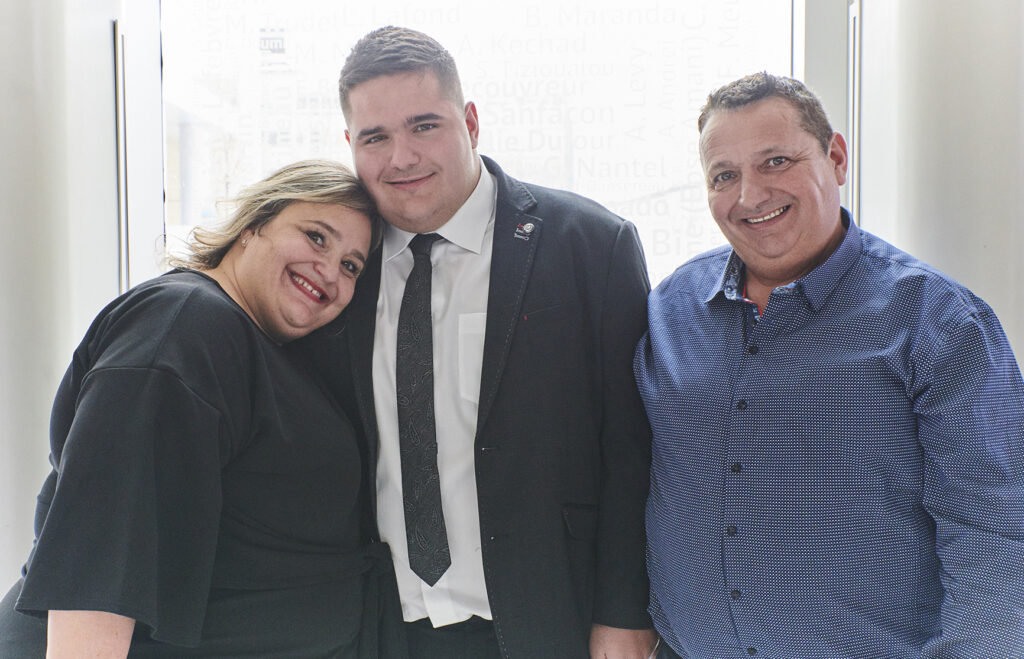
Benjamin and his parents © Claude Dolbec
That hope has remained at the heart of Q1K.
The initiative developed three connected resources:
- The Q1K Research Participation Registry facilitates connections between individuals and families interested in research with projects for which they are eligible. Research teams must follow an approval process to use the registry, and participants choose whether to accept an invitation.
- The Q1K Biobank stores biological samples that can support genetic and cellular research.
- The Q1K Dataset brings together information from questionnaires, clinical measures, electroencephalography (EEG), eye tracking (ET), magnetic resonance imaging (MRI) and other research tools.
Together, these resources offer a fuller picture of neurodevelopment. They allow researchers to explore autism and other neurodevelopmental conditions in ways that better reflect the diversity of people, families, developmental paths, and life experiences.
This breadth was especially important to Julie Scorah, a neuropsychologist, Q1K principal investigator, and assistant professor at The Neuro. As both a clinician and researcher, she saw how traditional recruitment methods can leave some people out.
Q1K accepted self-referrals from people with a suspected neurodevelopmental condition, including those awaiting a confirmed diagnosis. The team also developed supports to make participation more accessible to people with higher support needs. This inclusive approach made it possible to gather information from people of different ages, ability levels and profiles, as well as members of their families.
“Ensuring that we capture the heterogeneity of what I see in clinic was so important,” Scorah said. “Because Q1K measured various traits and brain profiles and uses data-driven approaches, we can group people based on phenotypic features rather than categorical diagnoses and therefore be more inclusive of all types of participants.”
Making research participation more accessible
One of Q1K’s most practical contributions was making research participation clearer, more predictable, and more accessible.
The team created visual stories, preparation videos, sound recordings, illustrations and sensory supports to help participants know what to expect before a visit. These tools were particularly helpful for EEG and MRI visits, where unfamiliar environments and procedures can create barriers to participation.
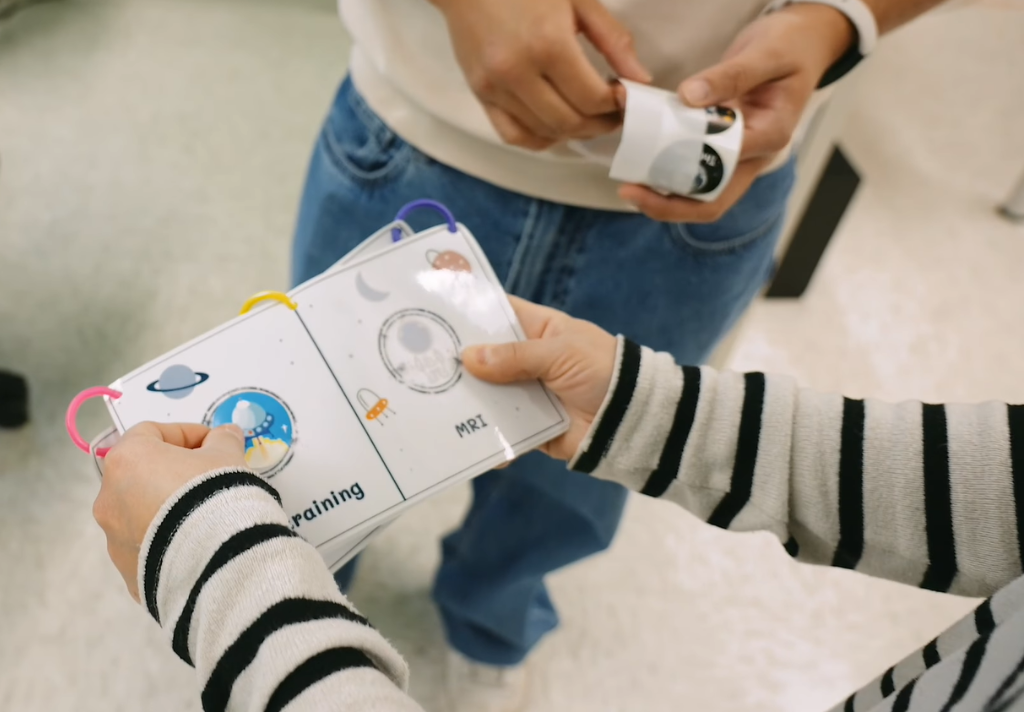
One parent who took part in Q1K with her child said the care shown by the research team made a lasting impression and helped her child remain engaged throughout the assessments.
“From our very first visit, we felt welcomed and supported, which made a meaningful difference to our experience,” she said. “The assessments were thoughtfully adapted for children, allowing my child to remain engaged and even have fun while participating.”
When a procedure was less comfortable, such as the MRI, the team took time to explain each step and help her child feel at ease.
For Noémie Hébert-Lalonde, who contributed to Q1K as both a project manager and clinician, this work was also about building relationships with families and the broader community.
“Connecting the community with research is an ongoing effort. As a clinician, my role requires me to listen to the needs of everyone involved in the project.”
This approach was intended to make participation more accessible and support the collection of research data. It also produced resources that can continue to help families and research teams beyond the initial data collection period.
Scorah also described benefits for clinical care, including help navigating services, faster access to diagnosis, more comprehensive evaluations and research results that could inform care and access to supports. These experiences varied according to participants’ needs and involvement in the project. She noted that working across sites also strengthened collaboration among participating health centres and supported more consistent practices and clinical training.
Advancing research through shared resources
Q1K has supported the use of complementary research methods across Quebec. EEG and eye tracking captured information about brain activity and visual attention, while MRI, including high-field imaging at The Neuro, offered ways to examine brain structure and function.
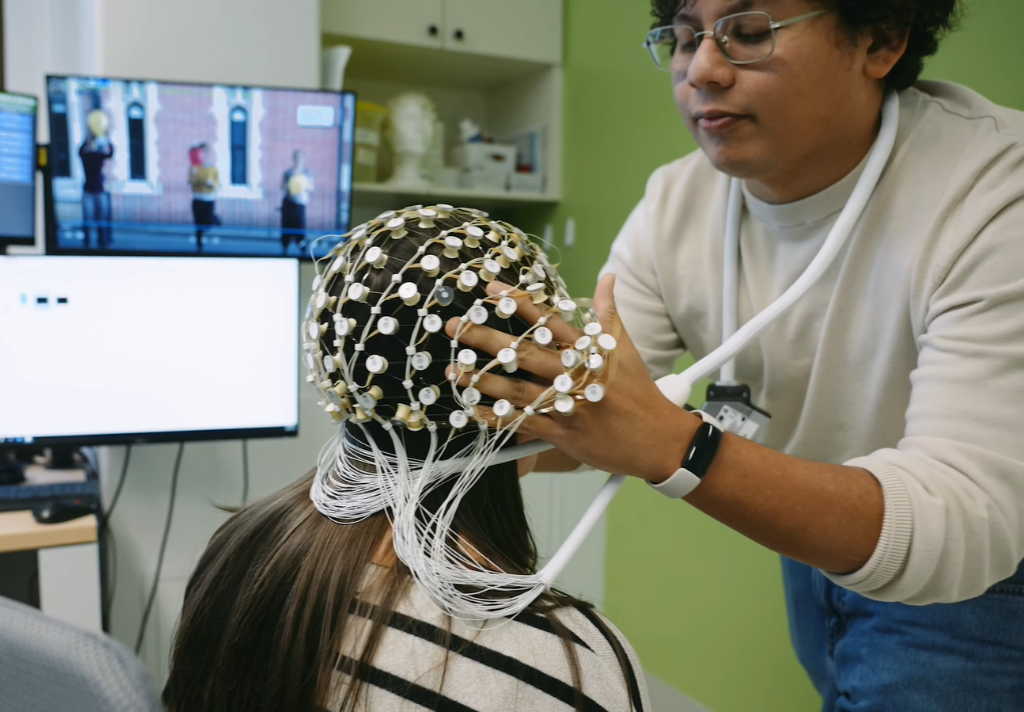
Considering these measures alongside genetic, behavioural and family information may help researchers better understand brain development and build more detailed clinical and developmental profiles.
Q1K’s family-based structure also offers opportunities to examine traits and experiences shared among relatives, including those who do not meet diagnostic criteria. For Maria Lagakos, who combined EEG and eye-tracking data to study how autistic people shift their attention during her undergraduate research at McGill University, this possibility has personal significance.
“As the sibling of an autistic brother, I have often thought about how neurodevelopmental traits may be expressed across genetically related family members, including in ways that may not meet diagnostic thresholds.”
Researchers can build on Q1K’s shared data and tools instead of beginning each study from the ground up. This can encourage collaboration, reduce duplication and make fuller use of the knowledge families have helped generate.
In 2026, the experimental team released software for Q1K’s combined EEG and eye-tracking tasks. A related preprint describes how the tasks were developed and tested, providing methods that other research teams can build on.
Building on what families contributed
The information families shared through Q1K will continue to support research long after their assessment visits have ended. Through open science, researchers in Quebec and around the world will be able to build on these contributions, explore new questions and bring findings together across studies, while respecting participants’ consent.
Sharing what is learned with participants is also part of this next stage. TACC is exploring ways to reconnect with Q1K participants and families, share research findings, and offer opportunities for learning and connection. Each person can choose how they would like to stay involved.
The Q1K Registry also remains open, welcoming new registrations from individuals and families across Quebec, as well as referrals from clinicians. Those who join may be invited to studies that match their interests and circumstances, and can decide whether to take part in each one.
For Mélanie Couture, Q1K principal investigator at the Centre hospitalier universitaire de Sherbrooke (CHUS) and Co-Director of TACC, building on Q1K means ensuring that participants’ contributions continue to serve a shared purpose.
“Families have contributed so much to Q1K, and our responsibility now is to make sure that what we have learned continues to serve them,” said Couture. “This means not only supporting new research, but also sharing knowledge, listening to what matters to families, and working together to improve care and services.”
Questions?
Contact us at Q1K@mcgill.ca
Become a TACC Partner Member to receive information about research opportunities, learning events, resources and community initiatives. Membership is free and optional, and is separate from participation in Q1K.