
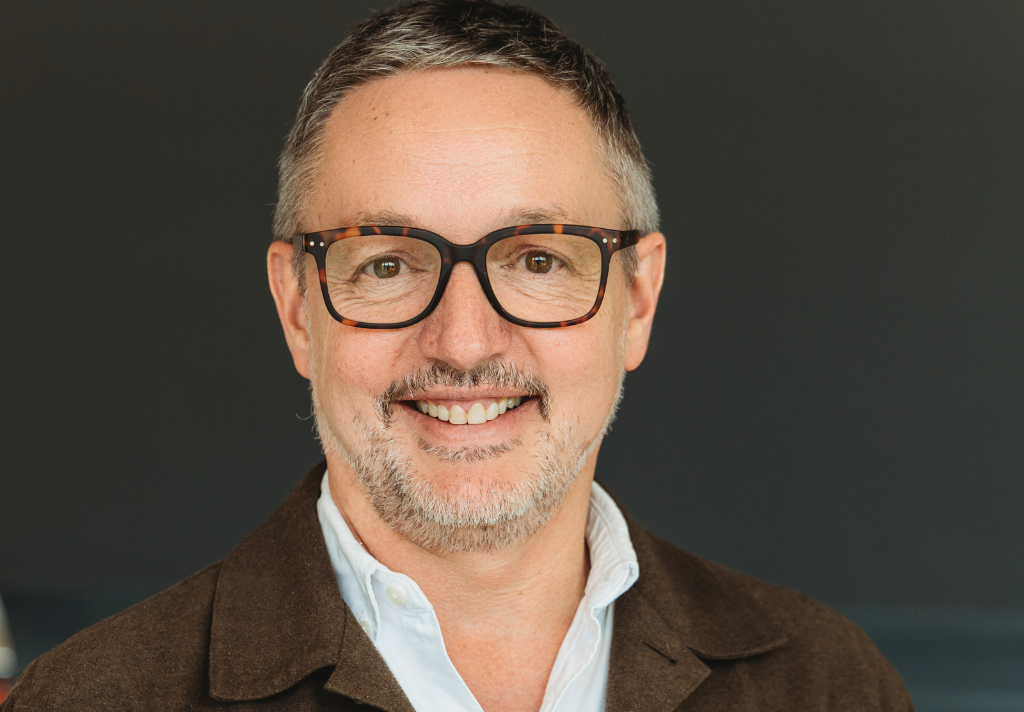
For Seiun Thomas Henderson, research gains its fullest value when it is connected to the lives of the people it is meant to serve.
As Director of Research and Innovation at the Giant Steps Centre, Thomas works at the point where education, community life, and research meet. His approach has grown out of years spent alongside autistic children, youth, and adults, as well as their families, educators, and clinicians. Those relationships have shown him where systems fall short, and what becomes possible when lived experience, practice, and research are brought into the same conversation.
This perspective guides his work across all of his roles. Whether he is supporting educators, shaping research questions, or building partnerships, Thomas focuses on creating environments that are responsive, respectful, and grounded in what people actually need in their day-to-day lives.
Thomas also serves on the TACC Scientific Committee, where he brings a community- and practice-informed lens to the network. Through this role, he helped establish the Giant Steps Living Lab as a formal partnership with TACC, creating a space where researchers and community partners work together in educational settings.
“The Living Lab is ultimately about possibility. When we centre dignity, belonging, and lived experience, innovation becomes less about technology or novelty, and more about care, connection, and change that actually matters” adds Thomas.
Today, the Living Lab supports more than 15 active projects focused on learning, wellbeing, inclusion, and quality of life, with findings feeding directly back into practice.
Watch Seiun Thomas Henderson talk about the Living Lab in his own words.
What first drew you to neurodevelopmental research, and how did lived experience shape that path?
Henderson: My interest in neurodevelopmental research was sparked early in my career, when I began working alongside autistic individuals and their families and saw, firsthand, both the brilliance and the barriers that shape their daily lives.
I became increasingly aware of how much untapped potential exists when research, practice, and lived experience are brought into true dialogue. This curiosity, and a deep sense of responsibility, drew me toward neurodevelopmental research as a way to help build systems, environments, and communities that honour neurodiversity.
What keeps you motivated in your work, both day to day and over the long term?
Henderson: What motivates me in my work is the possibility of creating change that is both human-centred and meaningful.
Every day, I have the privilege of witnessing the strengths, creativity, and resilience of autistic children, youth, and adults, as well as the dedication of educators, clinicians, families, and community partners. I am motivated by the idea that research should not remain abstract, but should translate into improved access, inclusion, and quality of life.
The Living Lab model we are developing at Giant Steps allows me to work at that intersection where applied research becomes a tool for empowerment and systemic transformation.
What impact do you hope your work has?
Henderson: The impact I hope my work will have is, fundamentally, to help build communities where neurodivergent individuals are not only supported but genuinely welcomed, understood, and valued.
I aim to contribute to knowledge and practices that promote neuro-affirming environments, reduce barriers, and encourage co-creation with autistic individuals themselves. If our work can help reimagine systems, including education, employment, and community life so that people can flourish on their own terms, then it will have served its purpose.
Watch Seiun Thomas Henderson speak about building inclusive spaces in practice. In this highlight from the 2024 Autism Festival panel Building Inclusive Spaces, Thomas shares how the new Giant Steps centre was shaped through deep community consultation and neuro-inclusive design. (Full event recording here)
Why was it important for you to be part of TACC?
Henderson: I became a member of TACC because its mission reflects exactly this spirit of collaboration and innovation. The TACC network brings together researchers, practitioners, and community organizations who are committed to advancing knowledge through partnership. For me, being part of TACC is an opportunity to share what we are learning at Giant Steps, to learn from others, and to contribute to a collective movement toward more inclusive and evidence-informed practices across Quebec and beyond.
Connect with Thomas
Thomas welcomes conversations with researchers, practitioners, and community partners who are interested in applied research, Living Lab approaches, and working in real-world settings.
At Giant Steps, current and emerging areas of work include (but are not limited to) learning and wellbeing, inclusive educational practices, transition to adulthood, and community participation. Researchers who want to collaborate in community-based contexts are encouraged to reach out.
Connect with Thomas on LinkedIn.