
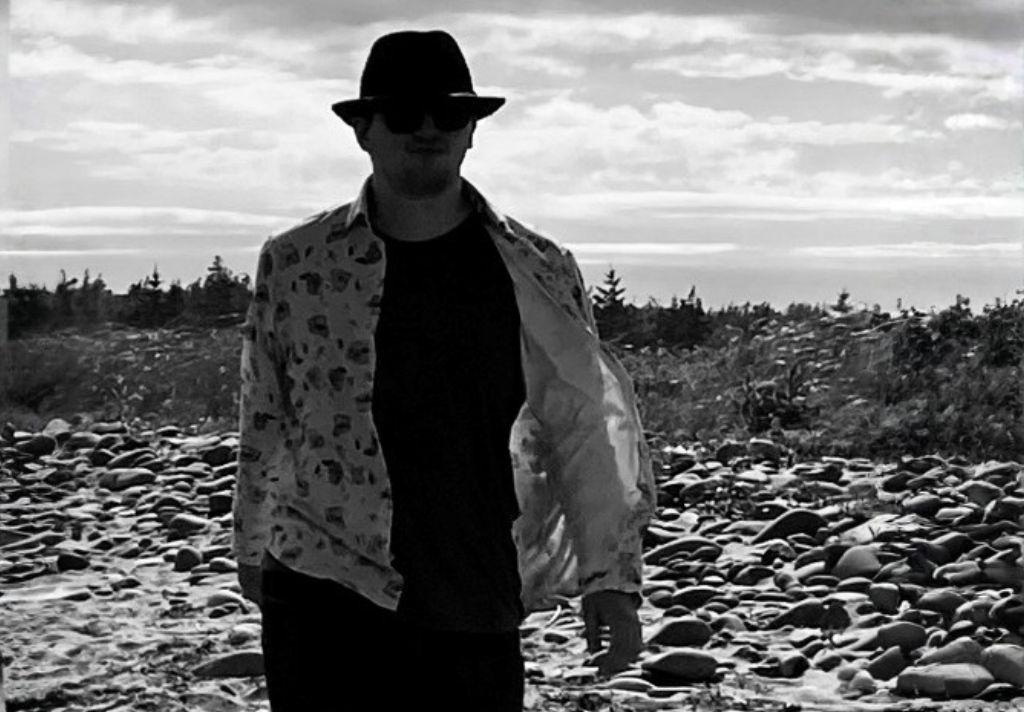
For Vincent L., meaningful research begins with something simple: getting to know people.
A TACC Partner Member, Vincent has been contributing to research and community education for more than a decade. He first became involved in participatory research in 2014 through a McGill University photovoice project, using photography, film, and advocacy to explore neurodiversity and more inclusive environments. He later contributed to SENS.ÉS MAKING, a participatory research project focused on sensory awareness and sensory-friendly community spaces.
Across these experiences, a common thread has been Vincent’s interest in bringing people together and helping them understand one another. Since 2018, he has shared his lived experience through presentations, community events and educational activities. He has also organized and supported fundraising and volunteer initiatives for schools and community organizations.
More recently, Vincent has brought this experience to his work with TACC and Project ECHO Autism, led by Dr. Julie Scorah. In December 2025, he presented Neuro-Affirmative Practice: Tips for Clinicians through the McGill University Health Centre (MUHC) SuperHub’s Project ECHO Autism series, sharing practical strategies to help healthcare professionals create more respectful and supportive experiences for autistic people.
Vincent also represents the Montreal hub at The Neuro (Montreal Neurological Institute-Hospital) on the ECHO AuDIO Council, a national advisory group that helps shape Project ECHO Autism AuDIO. Led by the Holland Bloorview Kids Rehabilitation Hospital, the program brings together partners from across Canada to improve autism diagnosis and integrated care opportunities.
As he continues to build his experience in partnered research and advocacy, Vincent hopes to work alongside researchers, clinicians, students, and other community members to improve autism research and care through collaboration, curiosity, and mutual respect.
Four questions with Vincent
1. Tell us about yourself
Vincent: I’m tall, chit-chatty, and curious.
I enjoy cooking, trying new foods, fundraising, trains, cats, drawing, and meeting new people. I’ve been giving presentations since 2018 because I like sharing my experiences and helping people understand autism from my perspective.
One thing that’s really important to me is kindness. I believe that when you help people, kindness comes back.
Drawing on his experience as an autistic self-advocate, Vincent offers practical guidance to help healthcare professionals provide more respectful, accessible and person-centred care, while recognizing that each autistic person’s needs and preferences are different. The presentation was delivered through the MUHC SuperHub’s Project ECHO Autism series (December 2025).
2. What inspired you to present on Neuro-Affirmative Practice: Tips for Clinicians through Project ECHO Autism?
Vincent: Sometimes small things make a big difference. Talking slowly. Giving people time to think before answering. Explaining what you’re going to do before touching someone. Asking questions instead of making assumptions.
The biggest message I wanted to share is that you’re caring for a person, not a number.
“Take the time to get to know people and listen to what they have to say. Building trust takes patience.”
3. What do you hope researchers and clinicians take away when they work with autistic people?
Vincent: Keep an open mind and take the time to get to know people.
Every autistic person is different, so listening is important. Building trust takes patience.
I’d be happy to contribute in different ways, whether that’s sharing my experiences, answering questions, speaking to students, or helping with research projects. Sometimes even having a conversation over a cup of coffee is a good place to start.
4. What does being part of the TACC community mean to you?
Vincent: I’ve enjoyed meeting people who want to learn from autistic people, not just about autism.
One of the best parts has been building relationships with researchers and students who took the time to get to know me as a person. Those connections have helped me feel that I can make a meaningful contribution.
I’d like to keep learning, meet more people, and help build research that includes autistic voices from the beginning. I also hope to encourage other autistic people to share their perspectives if they want to.
Interested in collaborating?
Vincent is interested in opportunities to contribute to partnered research, education, and community engagement related to autism and neurodevelopment.
Researchers, trainees, clinicians, community organizations, and partners interested in connecting with Vincent are invited to contact the TACC team at rtsa-tacc@mcgill.ca. We would be pleased to help facilitate an introduction.