
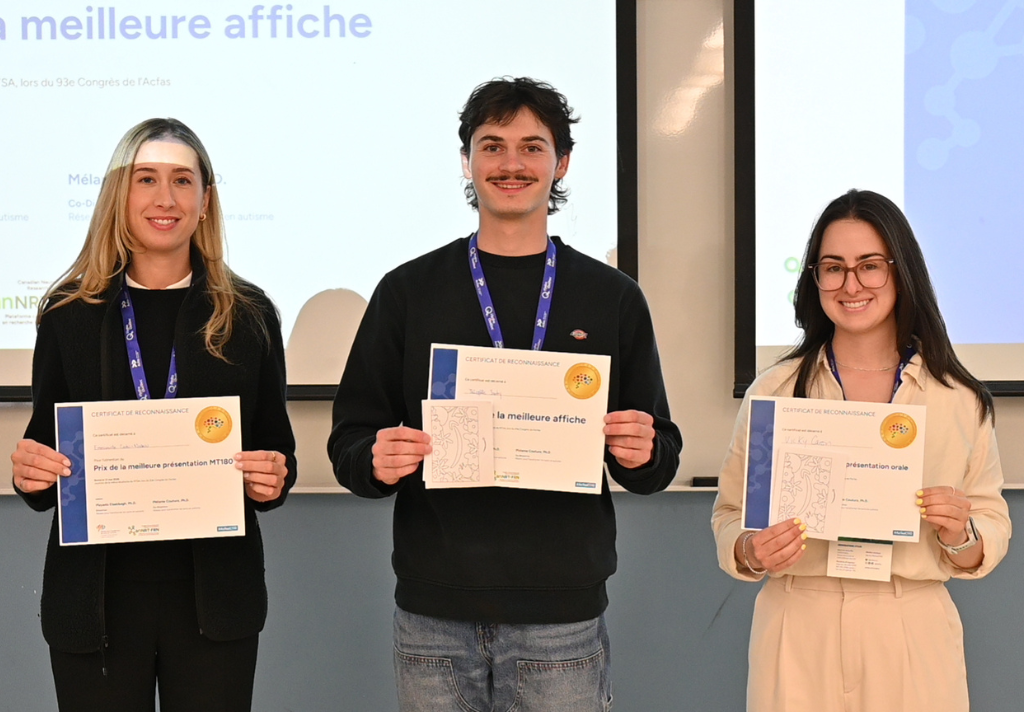
Research on autism and neurodivergence is becoming increasingly interdisciplinary, collaborative, and connected to community perspectives. The 2026 TACC Trainee Research Day on Autism and Neurodivergence offered a glimpse into that future through the voices and work of emerging researchers across Québec.
Hosted by the Transforming Autism Care Consortium (TACC), through the Canadian Neurodevelopmental Research Training (CanNRT) Platform, during the 93rd Acfas Conference at the Université du Québec à Trois-Rivières, the event brought together trainees, community members, and partners for a day of dialogue and learning.
Throughout the day, students and early career researchers presented work spanning a wide range of topics, from genetics and artificial intelligence to inclusion, mental health, sexuality, linguistic identity, and neuroinclusive practices. More than a research conference, the event highlighted the important role of trainees in shaping a more responsive and equitable research ecosystem.
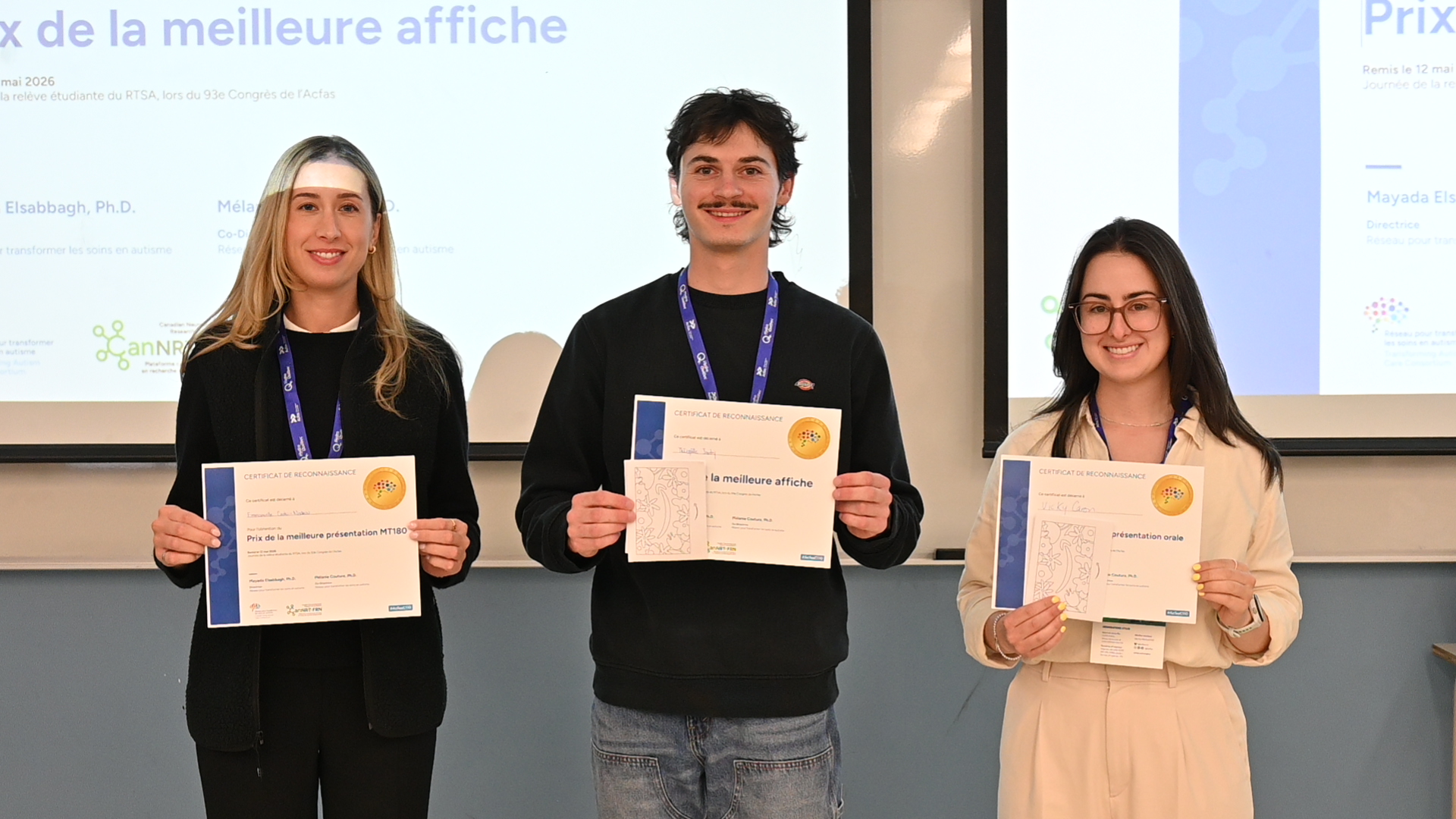
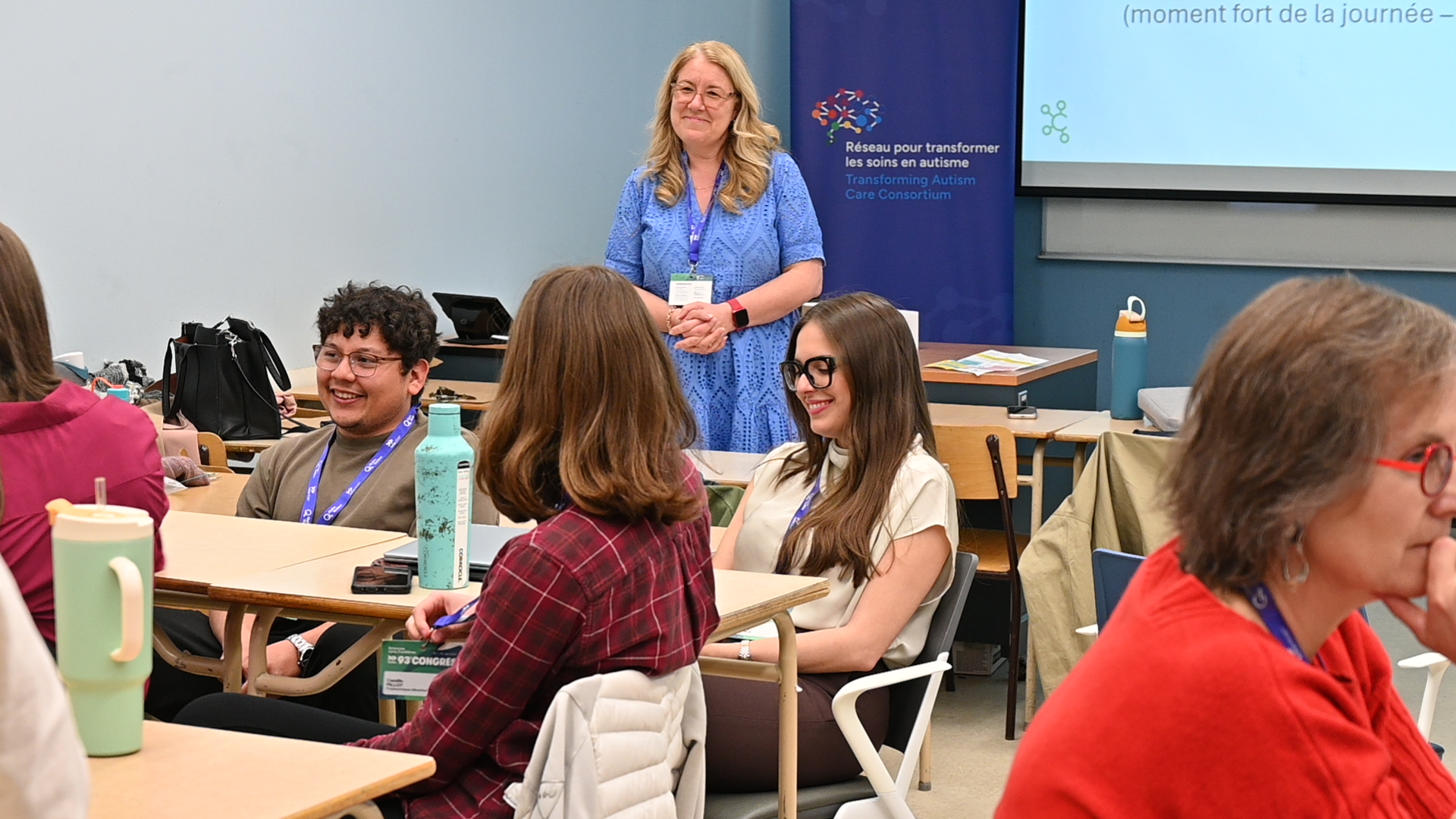
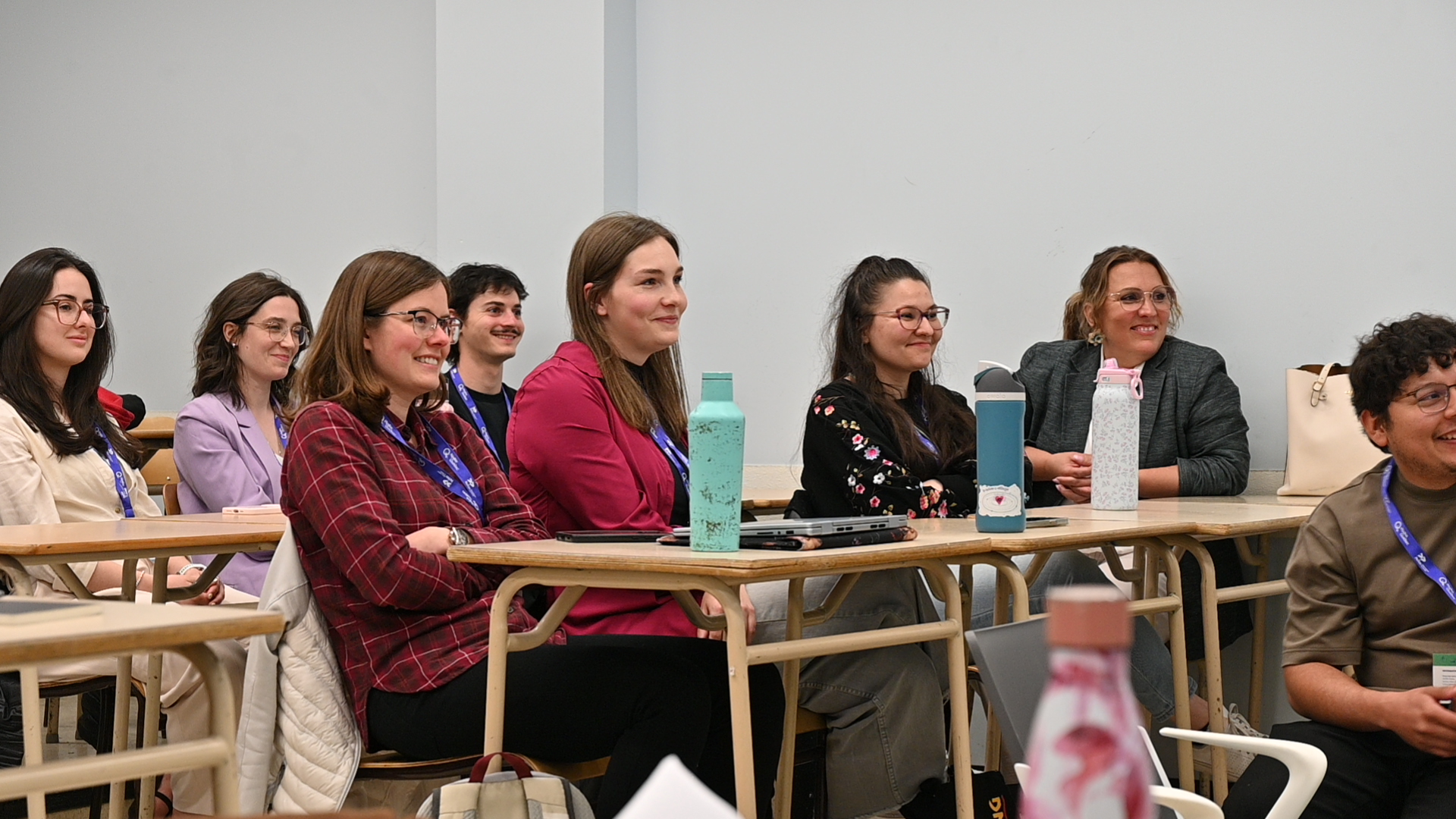
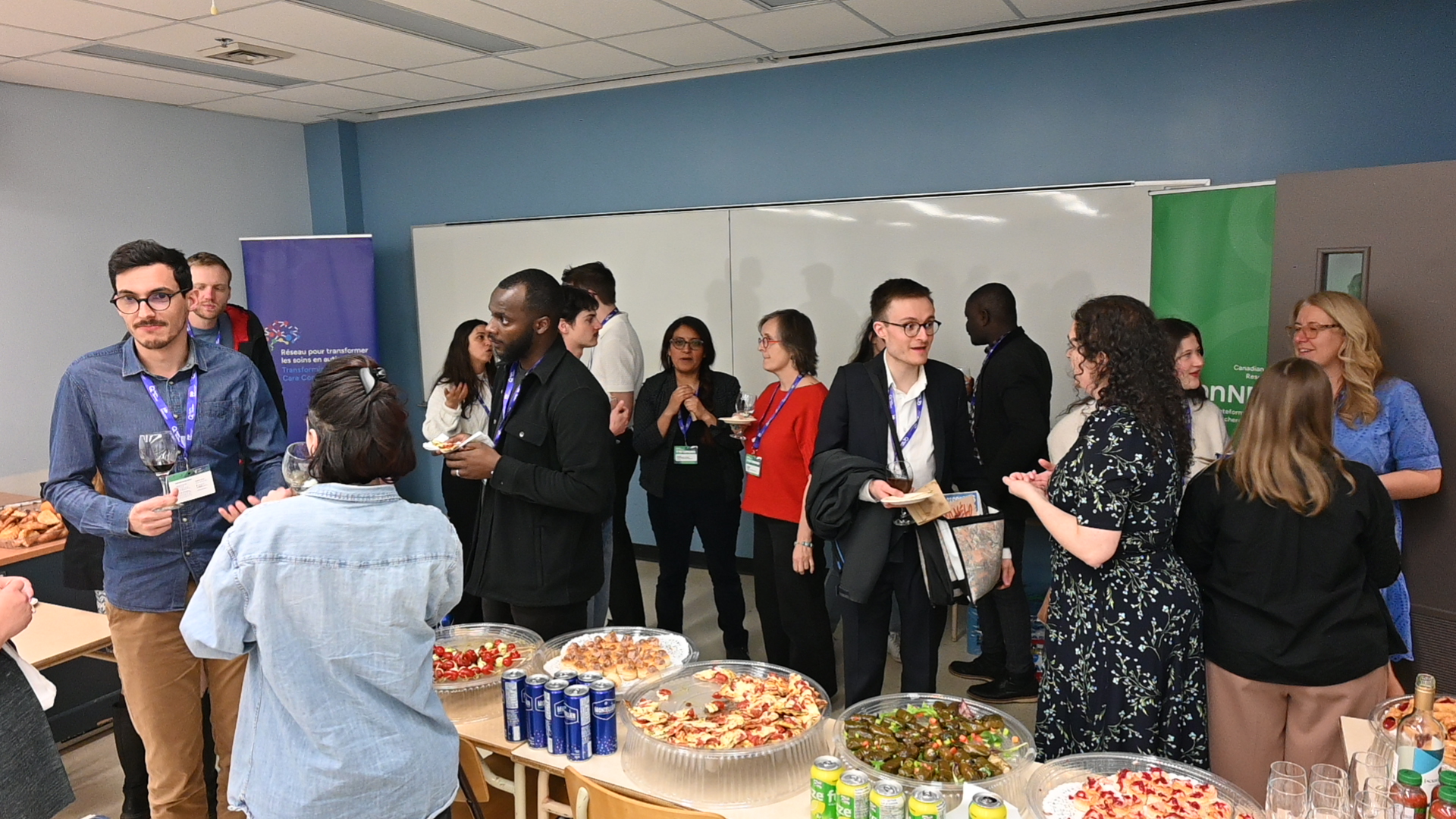
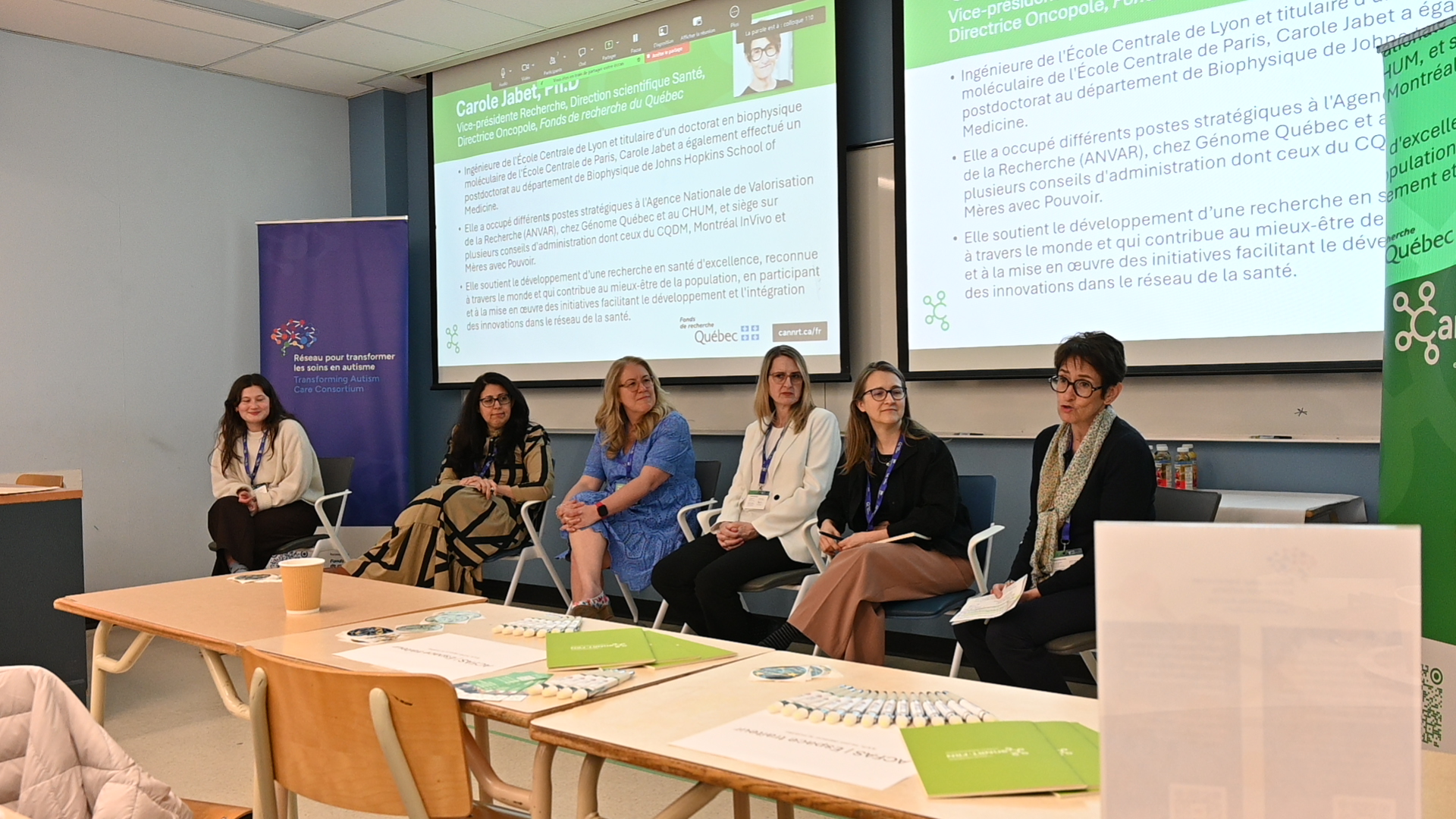
Hear directly from trainees and organizers about what the day meant to them, what they learned, and the impact they hope it will have on the future of neurodevelopmental research:
What was your highlight from the 2026 TACC Trainee Research Day on Autism and Neurodivergence at Acfas?
Across presentations, discussions, and informal exchanges, trainees reflected on the value of interdisciplinary and community-connected research, the importance of authentic mentorship and lived experience, and the opportunity to learn from perspectives beyond their own fields.
Sophie Bouhour: My highlight, without a doubt, was the roundtable with our five female experts. There was something truly rare in the quality of their exchanges: authenticity and honesty that are not always found in such academic events. It was inspiring, lively, and it reminded me why these kinds of spaces and dialogues are so necessary for progress in our domain.
Claudia Hernandez Pérez: The moment that stood out to me the most was hearing the professors and researchers speak about their own experiences. These were not only research presentations, but also very human exchanges about their journeys, their challenges, and what continues to motivate them today. It was truly inspiring to see their passion and openness towards supporting the next generation: it makes research feel more concrete and accessible.
Philippe Leroux: The highlight of my day was the opportunity to have informal discussions with the panelists.
Thomas Renne: It is difficult for me to identify just one highlight from this day, as it was so rich in discoveries. As a genetics researcher, I had the opportunity to explore fields radically different from my own, particularly psychological, societal, and inclusion-related issues connected to neurodevelopmental conditions. What particularly stood out to me, as a member of the organizing committee, was seeing how warmly the day was received, both by the students from a broad range of fields and by the neurodivergent people who participated.
Grace Tusevo Kuediatuka Ba: My highlight of the day was seeing the great diversity of topics addressed during the oral presentations in the morning. Across both flash and longer oral presentations, several disciplines were highlighted, such as neuroscience, biochemistry, and occupational therapy. The presentations were of excellent quality, and the topics were also well explained for a non-expert audience. This day allowed me to discover several fascinating projects outside my area of expertise. I felt like I was continuously learning throughout the day.
In your opinion, what impact did this event have on students, researchers, and the broader scientific community?
Trainees reflected on how the event fostered interdisciplinary exchange, strengthened connections and sense of belonging among emerging researchers, and encouraged broader, more inclusive perspectives on autism and neurodivergence across research and society.
Sophie Bouhour: What struck me most was the extent to which the event revealed the range of disciplines studying autism. We each have our own areas of expertise and respective vocabulary to discuss them, but this conference helped break down the silos separating us. For students, I think the impact was especially strong in terms of networking and sense of belonging. Hearing about others’ paths and experiences created a real sense of community.
Claudia Hernandez Pérez: I think this day mainly helped in establishing connections. It gives people confidence and motivates them to continue in this field of research.
Philippe Leroux: An openness to the many perspectives that neurodivergence can take on across disciplines.
Thomas Renne: For me, the main impact of this event lies in its ability to strongly foster interactions among the students in attendance, broadening their perspectives toward other research topics and fields. This will allow for greater interdisciplinarity across all questions related to neurodevelopment. For researchers and the broader scientific community, the benefits are similar: a global view of the issues, whether biomedical, mechanistic, or societal, including the improvement of methods for including neurodivergent people, such as autistic people, and promoting their inclusion in society.
Grace Tusevo Kuediatuka Ba: In my opinion, the Trainee Research Day had a positive impact on both students and researchers. This day offered a stimulating space for exchange where students could present their work and discuss with people from different disciplines. This interdisciplinarity helped generate new ideas, questions, and even a better understanding of autism and neurodivergence. It was also a great networking opportunity.
Why was it important for you to be involved in organizing this event? What did you learn throughout the planning and organization process?
Trainees shared that organizing the event gave them valuable experience in collaboration, coordination, and event planning, while reinforcing the importance of creating inclusive spaces where diverse perspectives and research approaches can connect and learn from one another.
Sophie Bouhour: I wanted to learn how to organize a large-scale event outside of my usual networks, such as my university or department. I learned about the inner workings of event planning, timeline management, and all the small details you do not notice when you are an attendee of a conference. My personal challenge was organizing the roundtable. I admit that it was a lot to take on, but I was lucky to be well supported. When I saw the final panel come together, I was really proud of what we had built together.
Claudia Hernandez-Pérez: It was important for me to get involved in order to create opportunities for people to meet and connect on their research related to autism and neurodivergence – topics I am very passionate about. I learned about teamwork, communication, and all the coordination required behind an event like this. I also realized how much collaboration among the people involved makes all the difference in creating a welcoming and enriching day.
Philippe Leroux: I learned to improvise and adjust according to everyone’s expectations, especially those of the people participating.
Thomas Renne: My involvement in organizing this event was driven by two motivations. On a personal level, I wanted to understand the inner workings of designing and managing events in which students take part. With the support of RTSA members, I was able to learn how to organize this kind of project, a skill I plan to apply to future initiatives. On a collective level, it was essential for me to create a space where the voices of students working on very diverse topics could coexist within one shared day, in order to foster a truly inclusive approach across all fields of research. This process also taught me that organizing such an event requires a tremendous amount of work, and that it is important to always recognize the efforts of the people who invest their time and energy into it. I also came to appreciate the difficulty of selecting abstracts and presentations, as each research project was relevant, making the choice and sequencing of topics particularly complex.
Grace Tusevo Kuediatuka Ba: I wanted to get involved in organizing the Trainee Research Day because I believe in the importance of creating spaces for dialogue, sharing, and collaboration around autism and neurodivergence. As a student, the Trainee Research Day was a real opportunity for me to meet other student colleagues and researchers working with people from neurodiverse communities. It was also an enriching opportunity to collaborate with people from different disciplines and learn from their experiences. Participating in the organization also allowed me to learn more about the inner workings of the research world.
In one word or one sentence, what is your main takeaway from the day?
Trainees described the day as a meaningful reminder of the strong sense of community, collaboration, and diversity of perspectives that shape autism and neurodivergence research across disciplines.
Sophie Bouhour: A true sense of community.
Claudia Hernandez-Pérez: A day filled with passion, encounters, and motivation.
Philippe Leroux: A lot of enjoyment and possibilities in the scientific community.
Thomas Renne: A great diversity of profiles for a great diversity of research themes.
Grace Tusevo Kuediatuka Ba: It is phenomenal to see how autism brings together so many disciplines, both in research and intervention.
The reflections shared by the trainees highlight one of the strongest outcomes of the day: the creation of a space where diverse perspectives, disciplines, and lived experiences could meet in meaningful ways.
“This was likely a major first,” added Mélanie Couture, TACC Co-Director, “bringing together and gathering student researchers from fields as broad as genetics, neuroimaging, sensory issues, quality of life, and law, all in a spirit of great openness and care.”
From building community among emerging researchers to encouraging more inclusive and interdisciplinary approaches, the event underscored the importance of supporting the next generation of autism and neurodivergence research.
Behind-the-scenes
Want more from our 2026 TACC Trainee Research Day on Autism and Neurodivergence? Read more about the event via Actualités UQAM, Transformer les soins en autisme (May 5, 2026), and go behind-the-scenes with our video coverage: